


14 Days Birds Of Uganda Tour
4000$
per personBirding in Entebbe, Murchison Falls, Kibale Forest, Queen Elizabeth Park, Bwindi, Mgahinga and Lake Mburo with Gorillas.
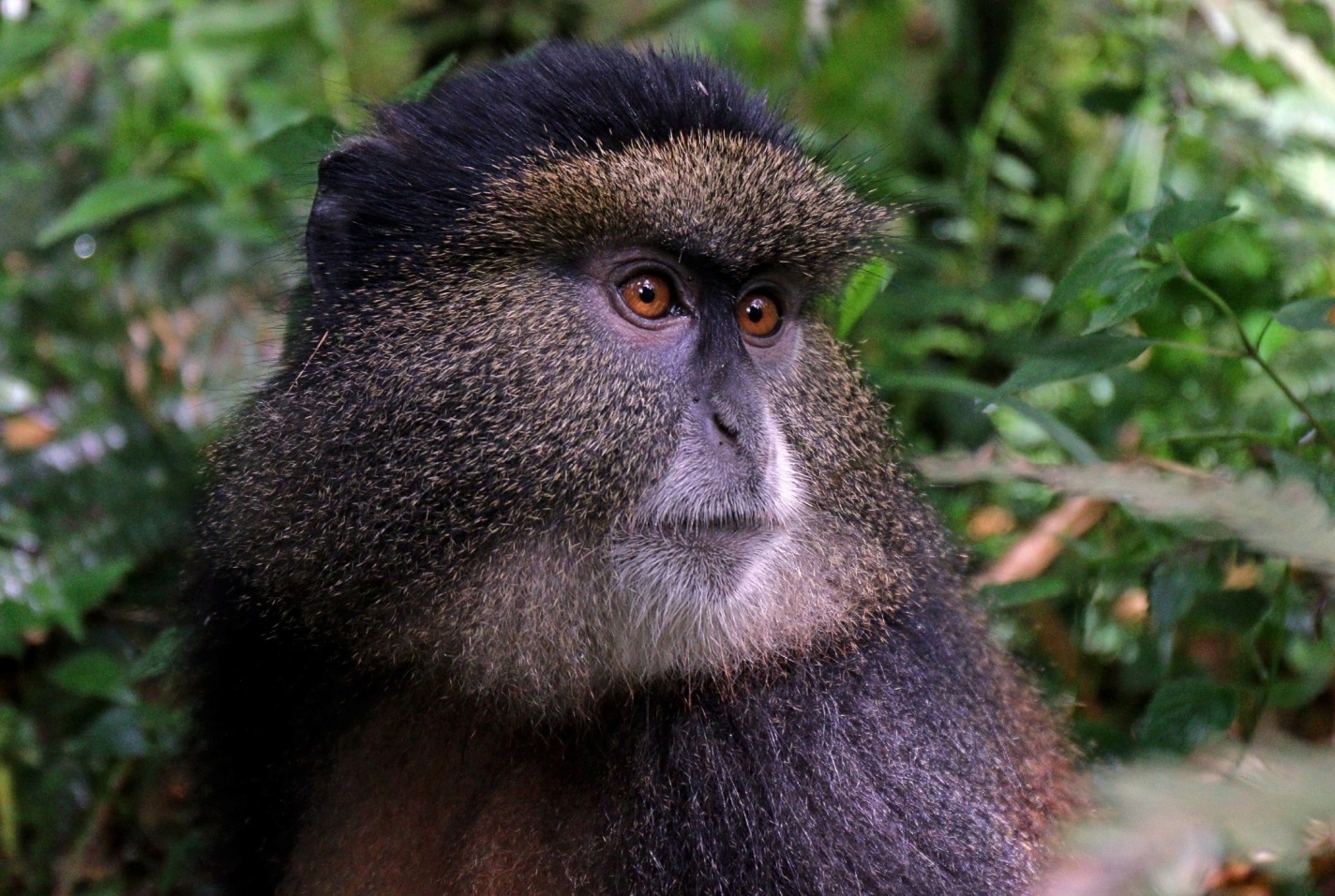
This is one of our longest safaris. With over 1,100 bird species, Uganda has this precious jewel that is not found in many nations around the world. The safari visits tranquil Murchison Falls National Park and explore the entire 7000sq.km facility, with a visit to Budongo Forest (180 Square miles, also known for chimpanzees) and the much smaller Kaniyo Pabidi (25 Square miles); the dense forest of Kibale in Western Uganda; Queen Elizabeth’s unique location and diversity; the gorilla forests of Bwindi and Mgahinga; and finishes with Lake Mburo National Park with its glorious landscapes. Birders could see up to 450 bird species, as well as other wildlife primates, game. (The Gorilla tracking permit in Bwindi is included in the safari cost). The wetter months (February, May and September, November) are usually recommended for birding as most birds breed during this time and are more active and vocal.
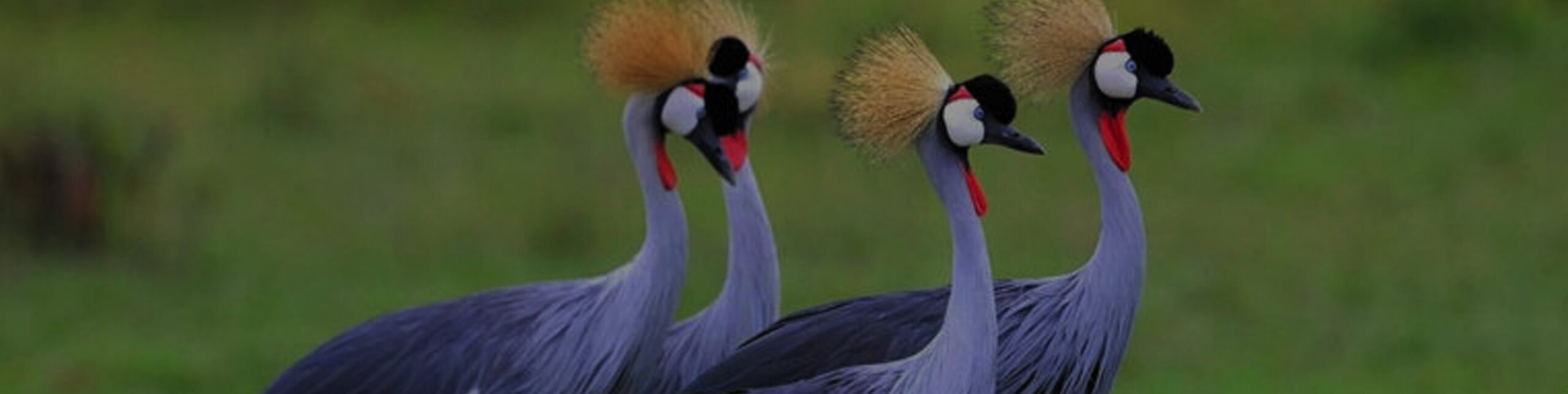
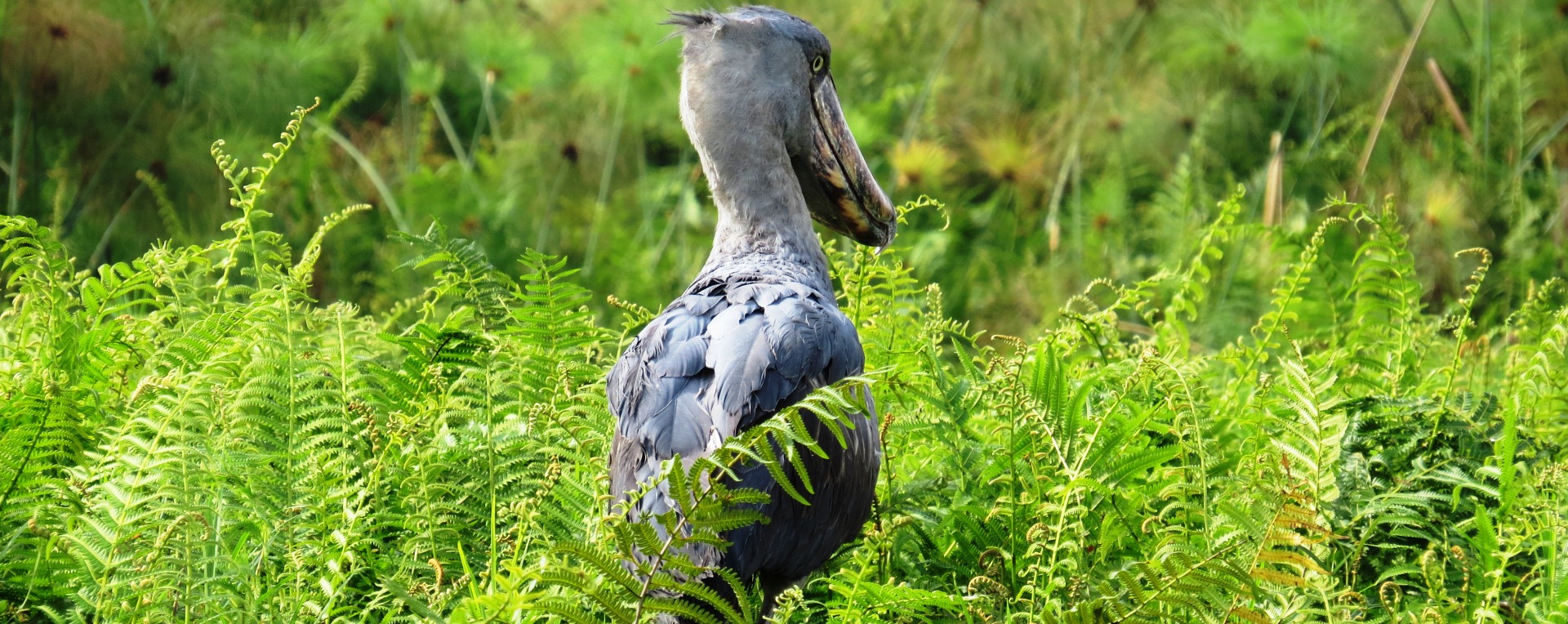
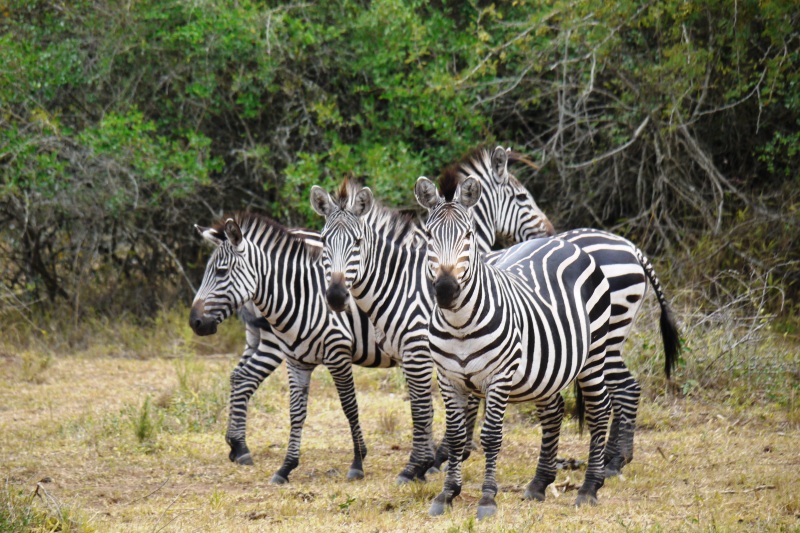
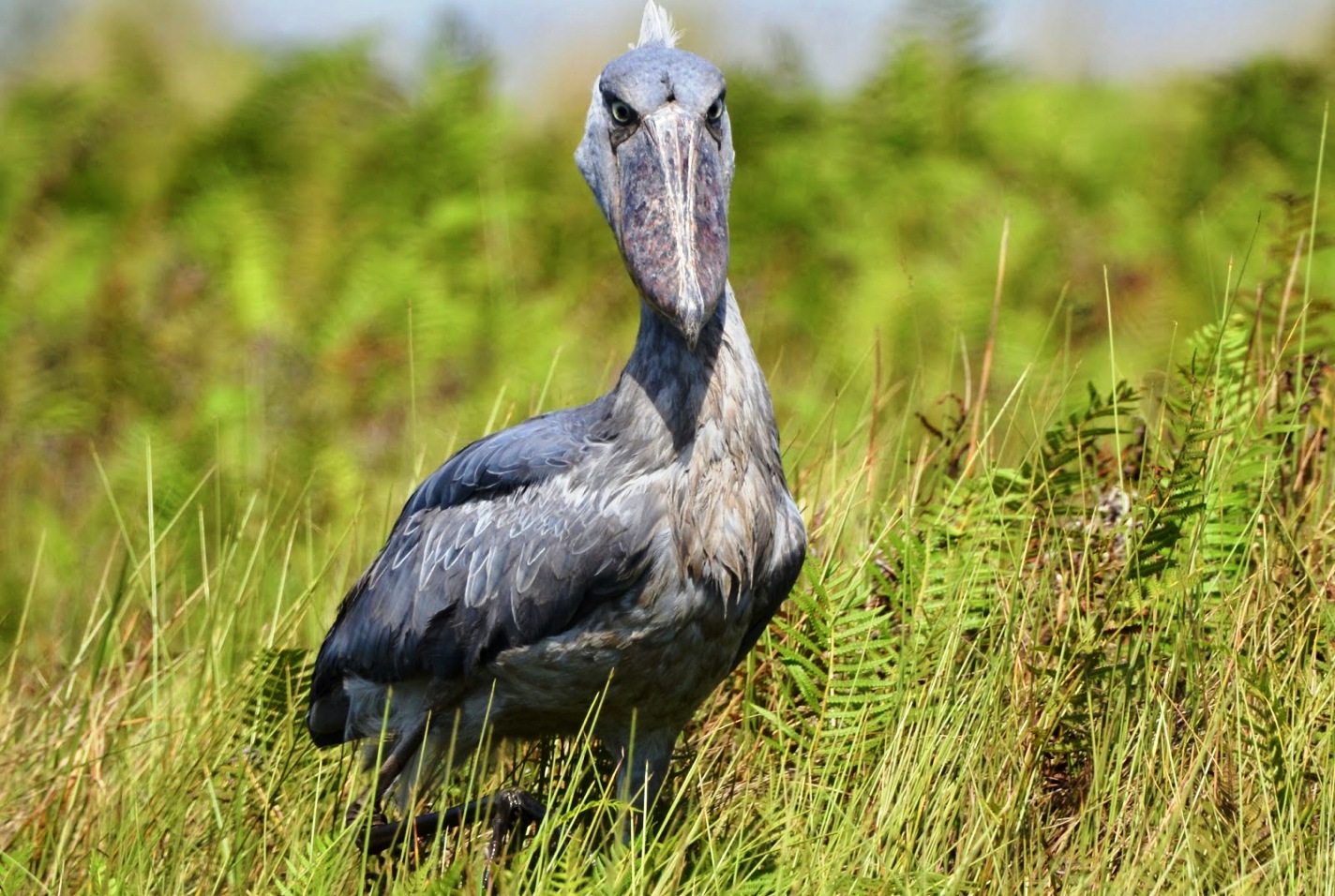
On this tour, you will be able to see the shoebill stork, the black bee-eater, many species of kingfisher and several falcons, eagles and flamingos, Open-billed Stork, Grey-crowned Crane, Wahlberg’s Eagle, Palm-nut Vulture, Black and White Casqued, Cuckoo Hawk, Bat Hawk, White-faced Scops Owl, African Grey and Brown Parrots, Red-faced Lovebird, Black-headed Gonolekas; as well as many species of butterflies, snakes, impala, eland, kingfisher, waterbuck, zebra, buffalo, crocs and of course the gorillas.
| Tour Departure | This Safari Starts & Finishes in Entebbe |
| Departure Time | Your Guide will Advise |
| Return Time | In time for your flight |
| Dress Code | Casual & Comfortable Clothing, Hiking Shoes, Hat, Light Jacket |
- Include
From Our Gallery
Birding in Entebbe, Murchison Falls, Kibale Forest, Queen Elizabeth Park, Bwindi, Mgahinga and Lake Mburo with Gorillas.
Day 1: Arrival
Day 2: Kampala to Murchison Falls Park
Day 3: In Murchison Falls Park
Day 4: In Kaniyo Pabidi Murchison Falls Park: chimpanzee tracking. Bird Lake Albert
Day 5: Hoima to Fort Portal
Day 6: Kibale Forest
Day 7: Kibale Forest to Queen Elizabeth Park
Day 8: Maramagambo Forest
Day 9: Queen Elizabeth Park to Buhoma
Day 10: In Bwindi
Day 11: Ruhija to Mgahinga
Day 12: In Mgahinga
Day 13: Gahinga to Lake Mburo Park
Day 14: Return and fly out.
Tour Location
Birding in Entebbe, Murchison Falls, Kibale Forest, Queen Elizabeth Park, Bwindi, Mgahinga and Lake Mburo with Gorillas.
- Uganda's history is marked by pre-colonial kingdoms, British colonial rule, and post-independence challenges.The country's borders were drawn arbitrarily in the late 19th century, encompassing diverse societies. In 1894, Uganda became a British protectorate, and it gained independence on October 9, 1962. Following independence, Uganda faced a period of political instability, including civil wars and military coups.Pre-Colonial Period:
- Uganda's early history is characterized by the movement of various groups of cultivators and herders, leading to diverse languages and cultures.
- The region was home to a variety of centralized kingdoms, including Buganda, Bunyoro, and others, as well as more decentralized Nilotic and Sudanic peoples.
- Evidence of human activity in Uganda dates back to at least 50,000 years ago, with Acheulean tools found along the Kagera River valley.
British Colonial Period (1894-1962):- In 1894, Uganda was declared a British protectorate.
- The British administration extended control beyond Buganda by signing treaties with other kingdoms like Toro, Ankole, and Bunyoro.
- Uganda was never fully colonized; instead, it developed a system of internal self-government through a Legislative and Executive Council.
- The British influence was strong in the late 19th century, particularly with the arrival of missionaries from the British Missionary Society and the French Roman Catholic White Fathers.
Independence and Post-Colonial Period (1962-Present):- Uganda gained independence on October 9, 1962, with Milton Obote as the first Prime Minister.
- The newly independent nation faced challenges, including civil wars and political instability, leading to a period of military coups and dictatorships.
- In 1995, a new constitution was adopted, establishing a non-party all-inclusive Movement System of government.
- In 2005, a referendum was held, resulting in a return to multi-party politics.
- Uganda has since made significant strides in restoring peace and rebuilding infrastructure, while also engaging in peacekeeping operations through the Uganda People's Defence Force.
Key Events and Figures:- Milton Obote: The first Prime Minister of Uganda, who played a key role in the independence movement and later served as President.
- Idi Amin: A military leader who seized power in 1971 and ruled Uganda for eight years, a period marked by human rights abuses and political instability.
- Yoweri Museveni: The current President of Uganda, who has been in power since 1986.
- Uganda's early history is characterized by the movement of various groups of cultivators and herders, leading to diverse languages and cultures.
Our Gallery
Birding in Entebbe, Murchison Falls, Kibale Forest, Queen Elizabeth Park, Bwindi, Mgahinga and Lake Mburo with Gorillas.

Write a Review
Boma Guest House in Entebbe or to Hotel Africana or Bougainviller Hotel in KampalaParaa Safari Lodge or Nile Safari LodgeCrown Hotel/Konteki HotelChimpanzee Forest GuesthouseBuffalo Safari Lodge/Mweya Lodge/Jacana LodgeBuhoma Homestead/Gorilla Resort/Bwindi Engagi LodgeTravellers Rest hotelMburo Safari Lodge/Mihingo Lodge